Get in touch with our team to discuss how we can help grow your business.
Get in Touch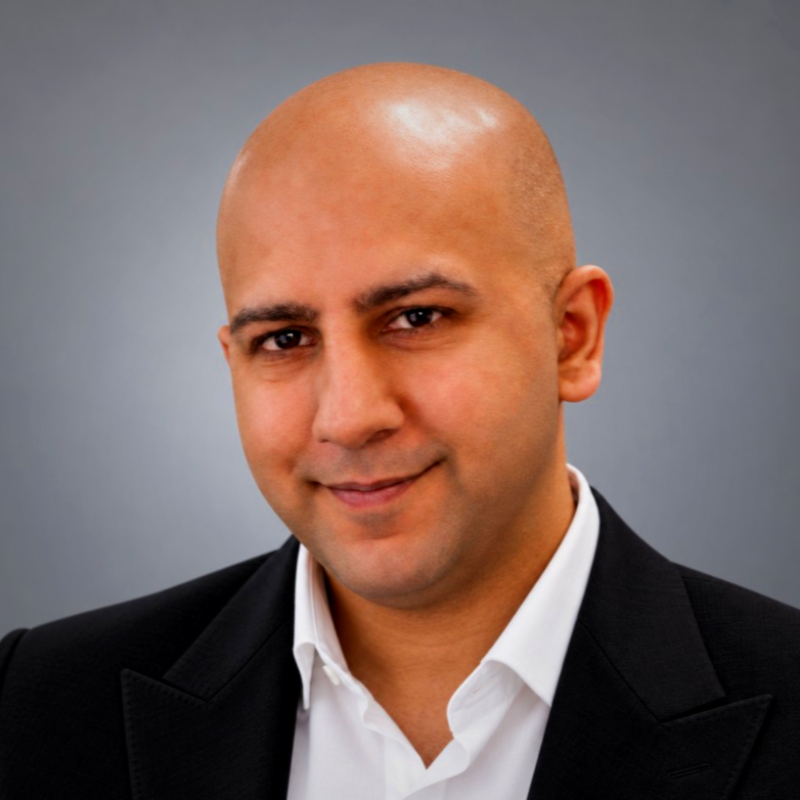
Kasim Javed is one of the most commercially experienced digital marketers in the UK — a strategist with extensive commercial experience who has helped clients generate over £10M in sales, and who applies that same rigour to every engagement.
His career spans the full spectrum of digital growth. He has provided SEO strategy advisory for global enterprises including Alibaba, worked with Whitbread PLC on the Premier Inn at Home digital project, and helped startups like Lumibop reach £1M turnover in under a year.
Across his career Kasim has helped clients generate over £10M in sales — giving him a rare commercial perspective that most agency owners simply don't have. He understands what it takes to build a business, not just run campaigns.
Today, he manages over £500K per month in advertising spend across Google, Meta and TikTok, combining deep marketing psychology, advanced data analysis and platform-level expertise. He was an early adopter of AI-driven marketing frameworks, integrating machine learning into campaign strategy long before it became mainstream.
Kasim is now on a mission to help UK SMEs tap into the AI revolution — transforming how small and mid-sized businesses approach marketing by making enterprise-grade AI strategies accessible, practical and results-driven. He believes that the businesses which adopt AI-powered marketing now will dominate their markets within the next 3–5 years.
"Marketing today is full of noise, tools and trends. Real growth still comes from strategy, data and understanding how people actually buy. That's what we focus on."— Kasim Javed, Founder